 PORT MOBILITY CIVITAVECCHIA


10 Things to Do in Rome at Least Once in Your Life
Make your dream come true and discover 10 must-do experiences in Rome to live without regrets: art, culture, gastronomy, and much more.


Visiting Rome is a dream for many tourists, and especially for the numerous cruise passengers arriving at the Port of Civitavecchia who have only a few days or even just half a day before their ship sets sail.
Art, culture, and gastronomy: the Eternal City needs no introduction, but among the many things to see and do, some experiences truly deserve to be had at least once in a lifetime.
Here are 10 tips to follow for visiting Rome without regrets.
1. Peek Through the Aventine Keyhole
The famous Aventine Keyhole is located on the door of the Priory of the Knights of Malta on the Aventine Hill. It has become world-renowned because, by looking through it, you can see the St. Peter’s Basilica dome perfectly framed by a lush hedge-lined path, creating a natural "optical tunnel" effect.
The fascinating part is that this was not originally designed as a tourist attraction, but rather the result of a precise perspective alignment between the Priory of Malta, Rome, and the Vatican. This unique alignment symbolically unites three "worlds" in a single glance.
Travel Tip: For the best experience, visit in the early morning or at sunset when the light is most atmospheric, as there is often a short queue during peak daytime hours.
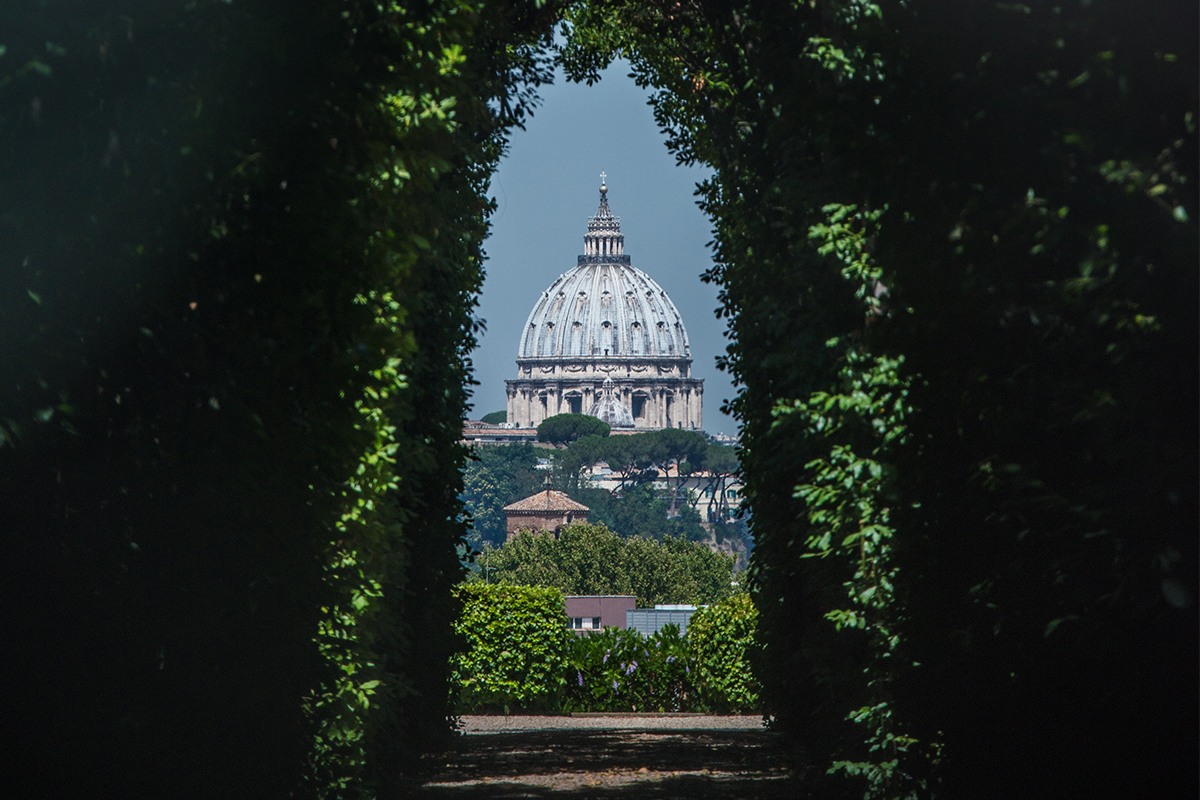
The Aventine Keyhole - Rome
2. Put Your Hand Inside the Mouth of Truth (Bocca della Verità)
The Mouth of Truth, known in Italian as the Bocca della Verità, is located in the portico of the Church of Santa Maria in Cosmedin. It is one of the most curious and photographed symbols in Rome. This large marble disc features a carved face that was likely used during the Roman era as a drain cover or a fountain decoration.
A medieval legend tells that the Mouth will "bite the hand" of anyone who tells a lie. Because of this, over time, it has become a highly popular "truth test," especially among couples and curious visitors.
Its fame skyrocketed thanks to cinema, particularly the movie Roman Holiday, which made the "hand test" scene iconic worldwide. Today, it is primarily a tourist attraction, but it still maintains that unique mix of mystery, playfulness, and tradition that makes it a must-see stop.
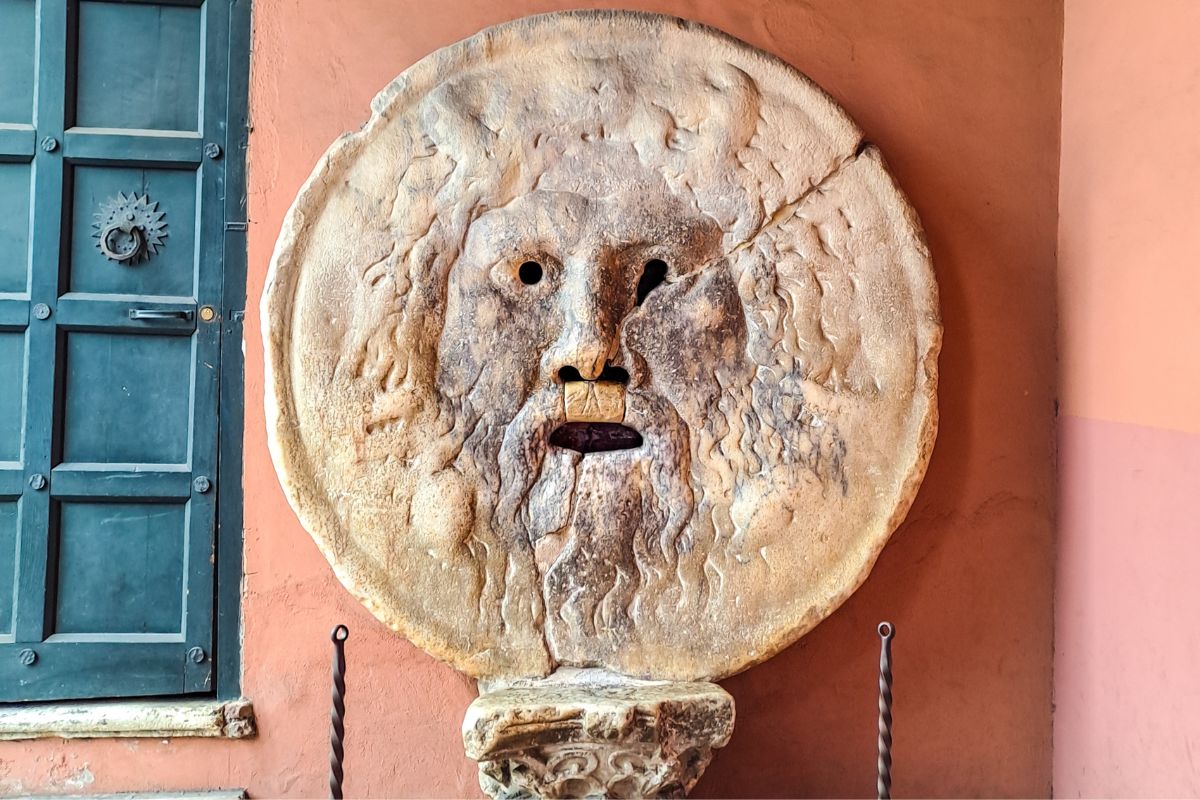
The Mouth of Truth - Rome
3. Admire Caravaggio in the Church of San Luigi dei Francesi
The Church of San Luigi dei Francesi is one of the most significant sites in Rome to see Caravaggio’s art up close. Inside, you will find the famous "Contarelli Chapel" cycle, featuring three masterpieces dedicated to Saint Matthew: the "Calling of Saint Matthew," the "Martyrdom of Saint Matthew," and "Saint Matthew and the Angel."
What immediately strikes you is Caravaggio's unique style: he does not idealize the saints but represents them as real people with ordinary faces and deeply "human" scenes, illuminated by powerful contrasts of light and shadow. It is precisely this dramatic use of chiaroscuro that makes his paintings feel so modern and intense.
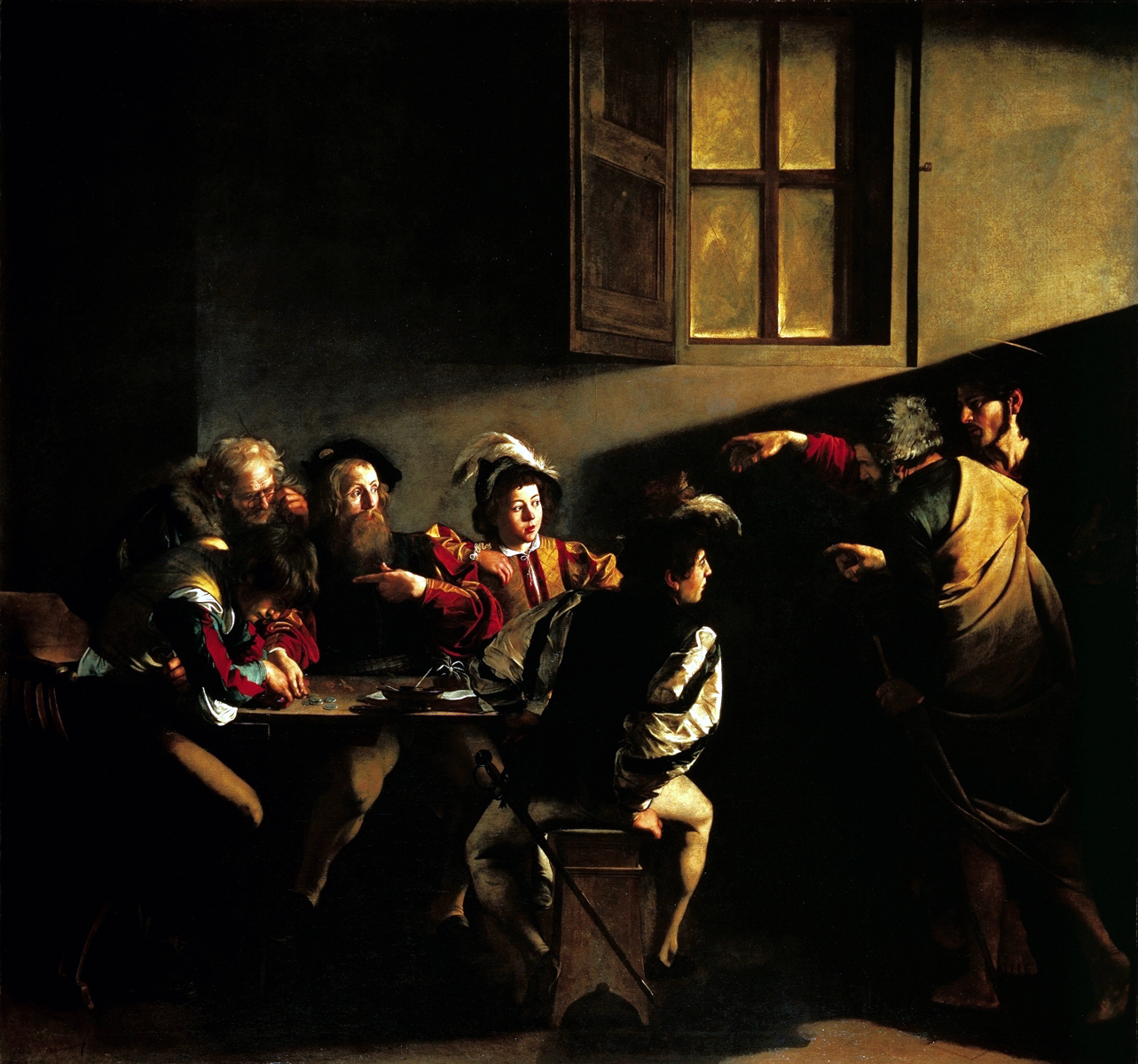
Caravaggio's work - "The Calling of Saint Matthew"
In particular, the "Calling of Saint Matthew" is world-famous because the light seems to physically enter the scene and "guide" the viewer's gaze, creating an almost theatrical moment. It is one of those places where you don’t just look at the art: it feels like you are stepping inside the story.
4. Toss a Coin for Good Luck in the Trevi Fountain
The custom of tossing a coin into the Trevi Fountain is one of the most famous traditions in Rome. It stems from a simple folk belief: if you throw a coin with your back to the fountain, your return to the Eternal City is practically "guaranteed." It is said that with two coins you will find love in Rome, and with three, you will even find marriage.
The scene became iconic thanks to cinema, especially the film "La Dolce Vita," which turned the fountain into a global symbol of romance and desire. Today, thousands of coins are collected every day; however, they are not wasted. They are recovered and donated to Caritas to support social projects and people in need.
Beyond the legend, the symbolic meaning of the fountain is equally striking: it is as if each coin represents a wish left in the water, a small gesture that unites millions of visitors in a single, timeless tradition.
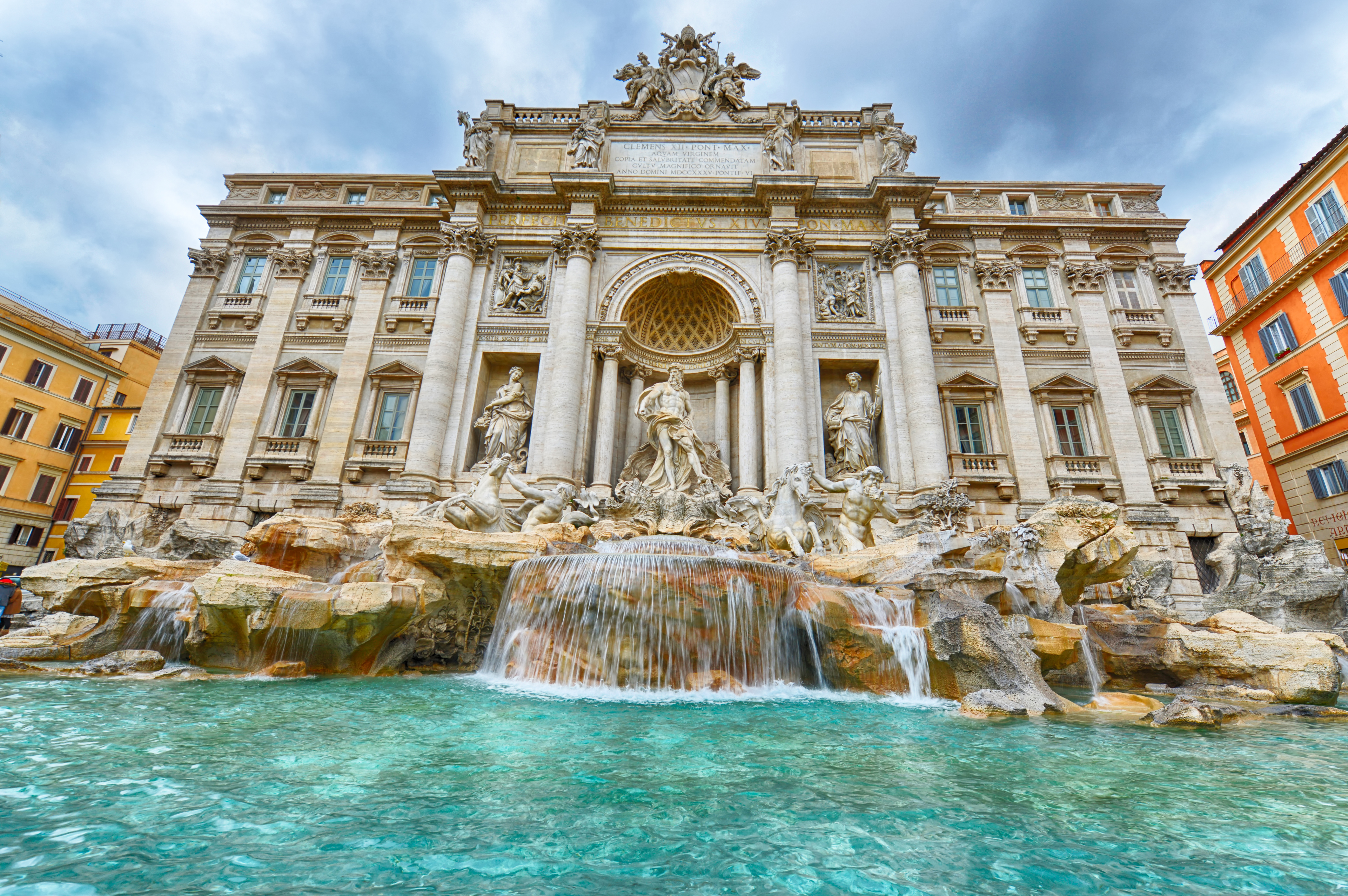
The Trevi Fountain - Rome
5. Visit the Capuchin Crypt
The Capuchin Crypt is located beneath the Church of Santa Maria della Concezione dei Cappuccini and is one of the most unusual places in Rome. It is famous because the decorations of its chapels are made with the bones of thousands of Capuchin friars, arranged in ornamental patterns such as chandeliers, frames, and wall decorations.
It was not created with a "macabre" intent, but with a symbolic meaning: it aims to remind us of the frailty of life and the transitory nature of the human body. The idea was to transform death into meditation, inviting those who enter to reflect on time and eternity.
Today, it is most striking for its powerful visual impact, suspended between art and spirituality. It is one of those places that stays with you precisely because it blends beauty, unease, and profound meaning.
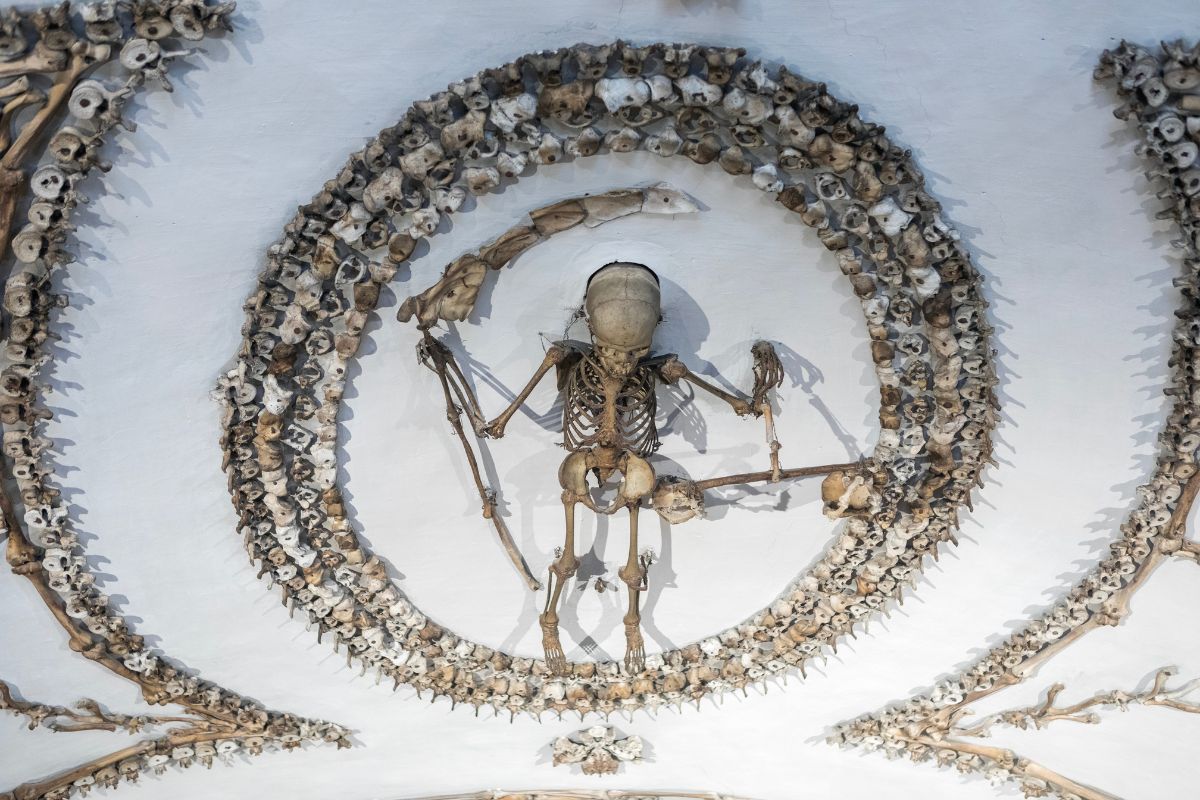
The Capuchin Crypt - Rome
6. Eat an Authentic Carbonara
Carbonara is one of the iconic symbols of Rome, and eating a "real" one is more of a cultural experience than a gastronomic one. The traditional Roman Carbonara recipe is surprisingly simple: guanciale (cured pork jowl), pecorino romano cheese, eggs, and black pepper. No cream, no onions, and no "creative" variations if you want to stay true to the original version.
Its origin is not entirely certain, but it is believed to have been born in the post-war period, when simple, easily available ingredients merged with the pastoral traditions of the Lazio region. The result quickly became an icon of Roman cuisine.
Today, carbonara serves as a "litmus test" for local trattorias: if made correctly, the sauce must be velvety without being heavy, and the guanciale crispy but not dry. In Rome, eating it is not just about taste; it is a way to truly immerse yourself in the city's culture.

The Traditional Roman Carbonara
7. Visit the Vatican Museums
The Vatican Museums are located within Vatican City and represent one of the most important and visited museum complexes in the world. They house centuries of art collected by the Popes, with works ranging from ancient Egypt to the Renaissance.
A visit is a true journey through art history: you will walk through galleries filled with classical statues, tapestries, and maps, finally reaching the most famous part, the "Sistine Chapel," with its world-renowned ceiling painted by Michelangelo. Here you will also find The Last Judgment, one of the most powerful and dramatic masterpieces in art history.
The interesting part is that this is not just a museum, but a "living" collection that has grown over the centuries thanks to the Popes and continues to be enhanced today. The impact of the Sistine Chapel, in particular, is unique: upon entering, the silence and the grandeur of the images create an experience that goes far beyond a simple tourist visit.
We also recommend reading our article 7 Things to See at the Vatican Museums.
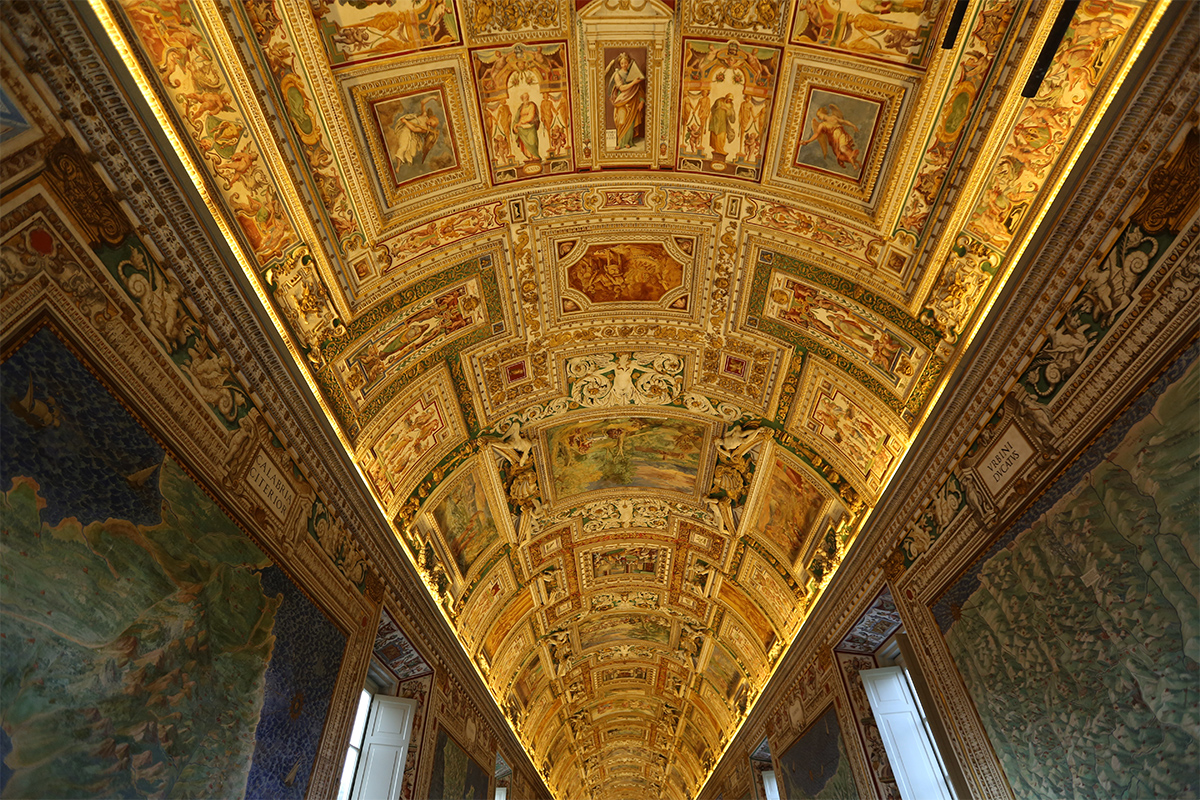
Vatican Museums - Rome
8. Admire the Sunset from Janiculum Hill
The sunset from the Janiculum (Gianicolo) is one of the most evocative experiences for admiring Rome from above. Although it is not part of the "seven historic hills," the Janiculum has always been considered a special viewpoint because it offers a wide, open panorama of the entire city, from the historic center to the dome of St. Peter’s.
What makes the sunset here so unique is the light: as the sun goes down, Rome is bathed in warm, golden tones, and the monuments emerge one after another like a natural movie set. It is a spot deeply loved by Romans as well as tourists, as it maintains a peaceful atmosphere compared to other, more crowded panoramic points.
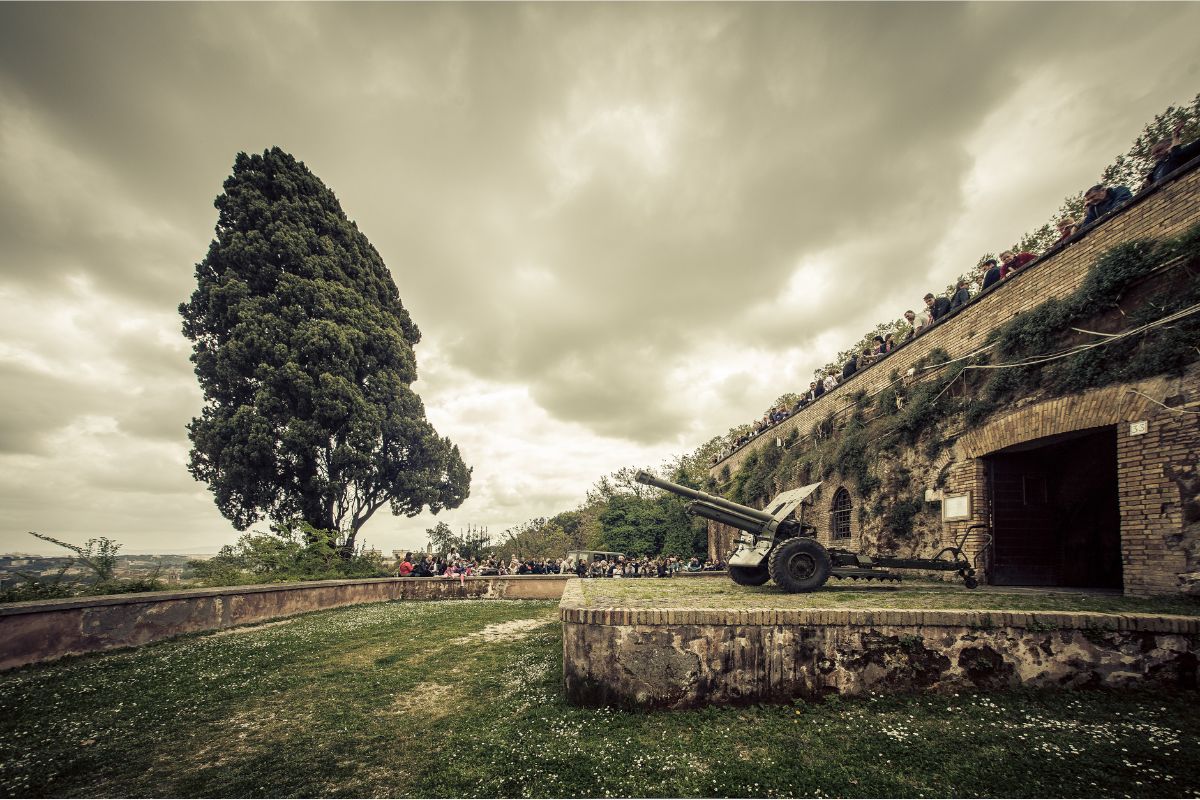
Noonday Cannon at Gianicolo - Rome
Furthermore, every day you can witness the traditional "Noonday Cannon" (Cannone del Gianicolo). This long-standing tradition involves firing a cannon shot every day at exactly 12:00 PM. In the past, this ritual served to provide a precise time for the city when personal watches were not widely available.
Today, while it no longer serves a functional purpose, it is maintained as a historical and tourist attraction. It is a way to preserve ancient customs and offer visitors a small, unique spectacle tied to the history of Rome.
9. Climb the Dome of St. Peter’s Basilica
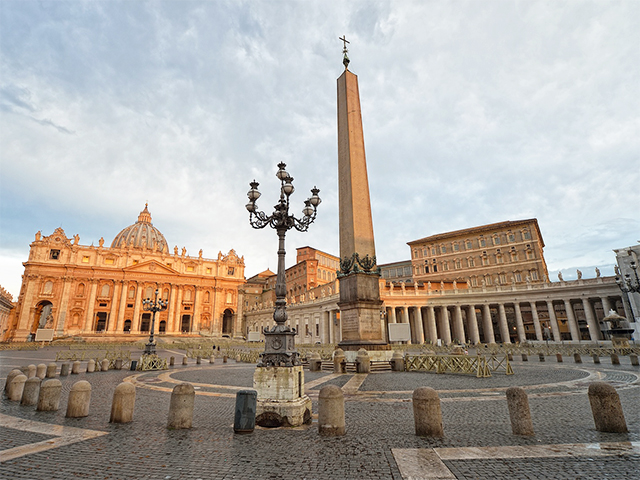
Climbing the Dome of St. Peter’s Basilica is one of the most thrilling experiences in Rome, as it allows you to see the city from above from its most iconic landmark. The ascent can begin with an elevator that takes you halfway up, but from there, you continue on foot through increasingly narrow and winding stairs until you reach the very top.
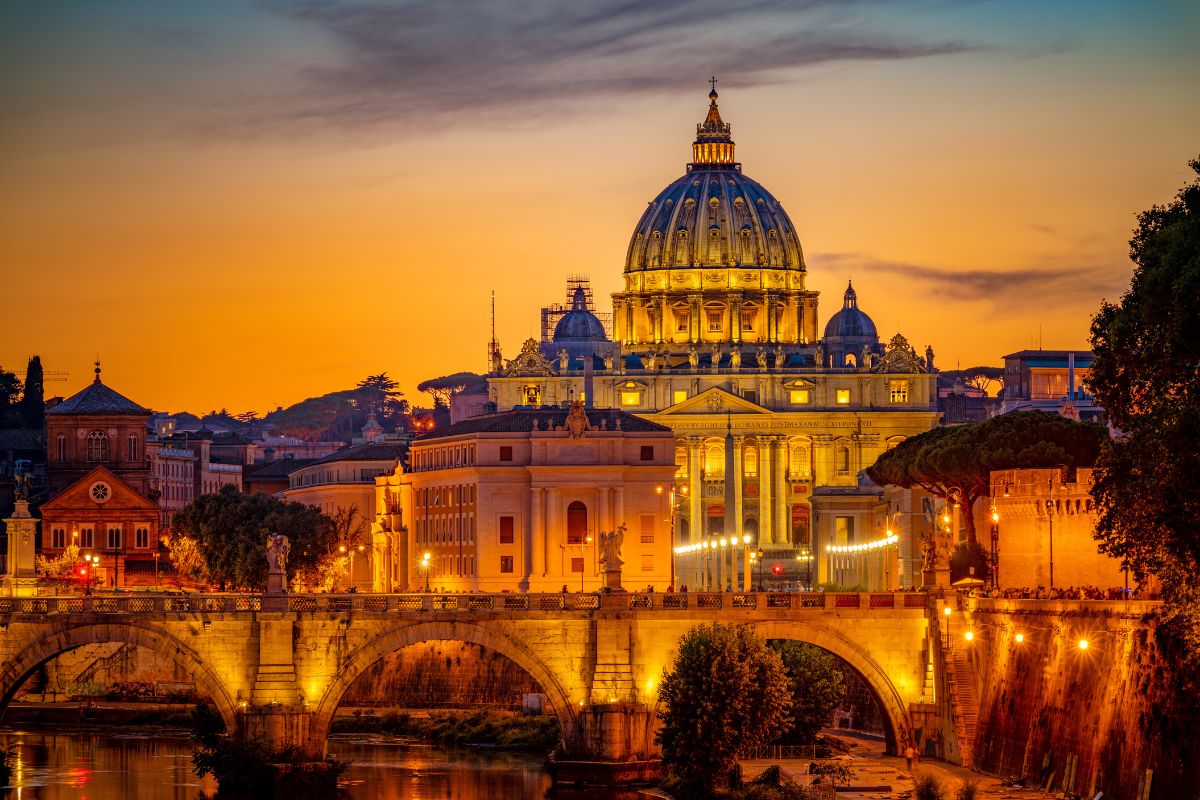
Basilica of St. Peter in the Vatican - Rome
The fascinating part is that as you climb, you can observe the internal structure of the dome designed by Michelangelo up close: mosaics, curved corridors, and passages that showcase the sheer complexity of the masterpiece. Once you reach the summit, you are rewarded with a 360-degree view of Rome, and on clear days, it feels as though you are embracing the entire city with a single glance.
It is an experience that combines effort with wonder: while the climb is somewhat demanding, it is fully repaid by one of the most beautiful and memorable panoramas you will ever see.
10. Walk at Night Between the Colosseum and the Imperial Fora
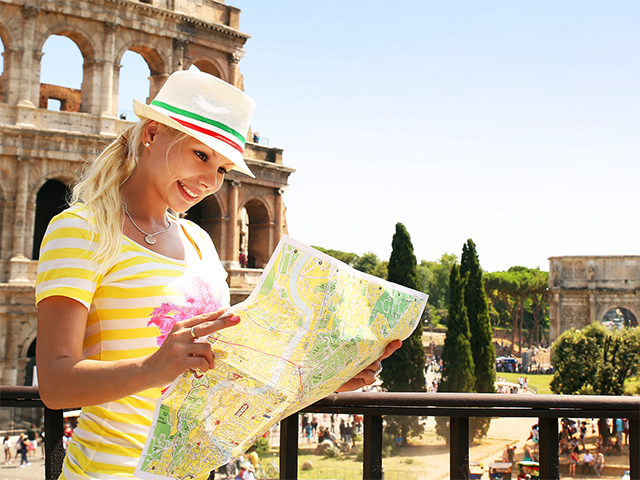
Walking at night between the Colosseum and the Imperial Fora is a completely different experience compared to the daytime, as the artificial lighting entirely transforms the ruins and creates a cinematic atmosphere.

The Colosseum - Rome

The Imperial Fora - Rome
In the evening, the Colosseum lights up and becomes even more imposing, while the silence along the Fora makes everything more evocative: you can better perceive the layout of the ancient streets, temples, and squares that were once the heart of Imperial Rome. It is one of those moments where the modern city seems to vanish, making way for the ancient one.
The fascinating part is the contrast: on one side, the traffic and life of today's Rome; on the other, a landscape that has stood still for two thousand years. Walking there at night means seeing history without distractions, in one of its most fascinating and intimate forms.
In conclusion, this article serves as an essential guide to discovering the authentic soul of the Eternal City. Each proposed experience, from the Colosseum to the Vatican, and from the Trevi Fountain to St. Peter’s Basilica, represents the timeless beauty and culture of Rome.
It is not just about visiting famous monuments, but about experiencing unique emotions by immersing yourself in art, traditions, and evocative atmospheres. By following these ten suggestions, your trip will become an unforgettable experience, leaving a deep and lasting memory in the heart of anyone who visits at least once in their lifetime!
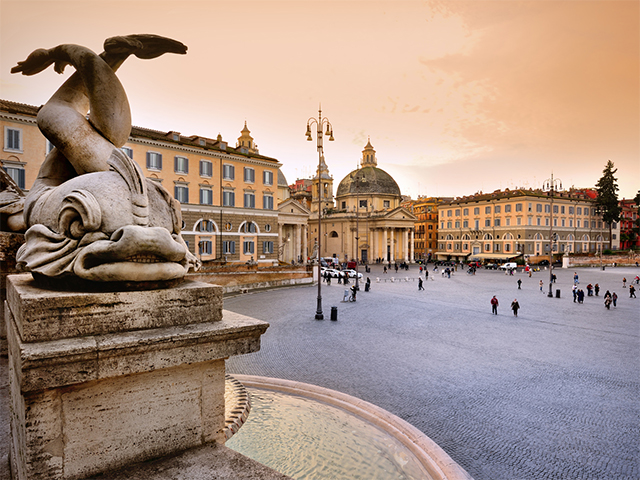
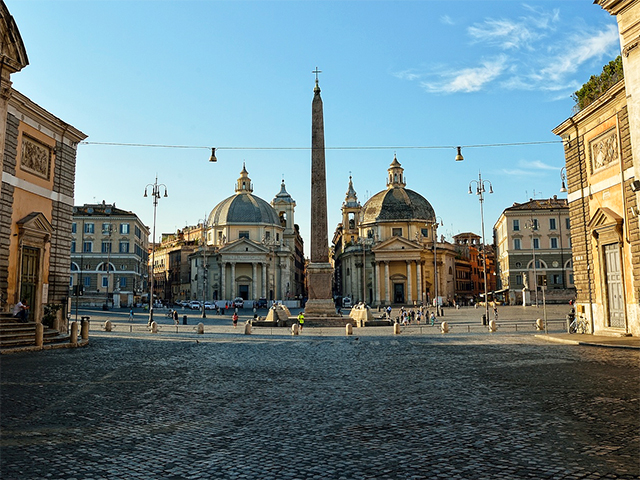
Read also: 10 Most Beautiful Squares in Rome.